In-Game Entertainment

In-Game Events

From limited-time challenges to grand seasonal spectacles, in-game events are how mobile games keep millions of players engaged all year long. Explore every major event type and what makes each one tick.

Informational content only. All events described on this page are fictional entertainment mechanics within mobile games. warmshoreline.com does not offer gambling, real-money rewards, cash prizes, or prize-based gameplay of any kind.

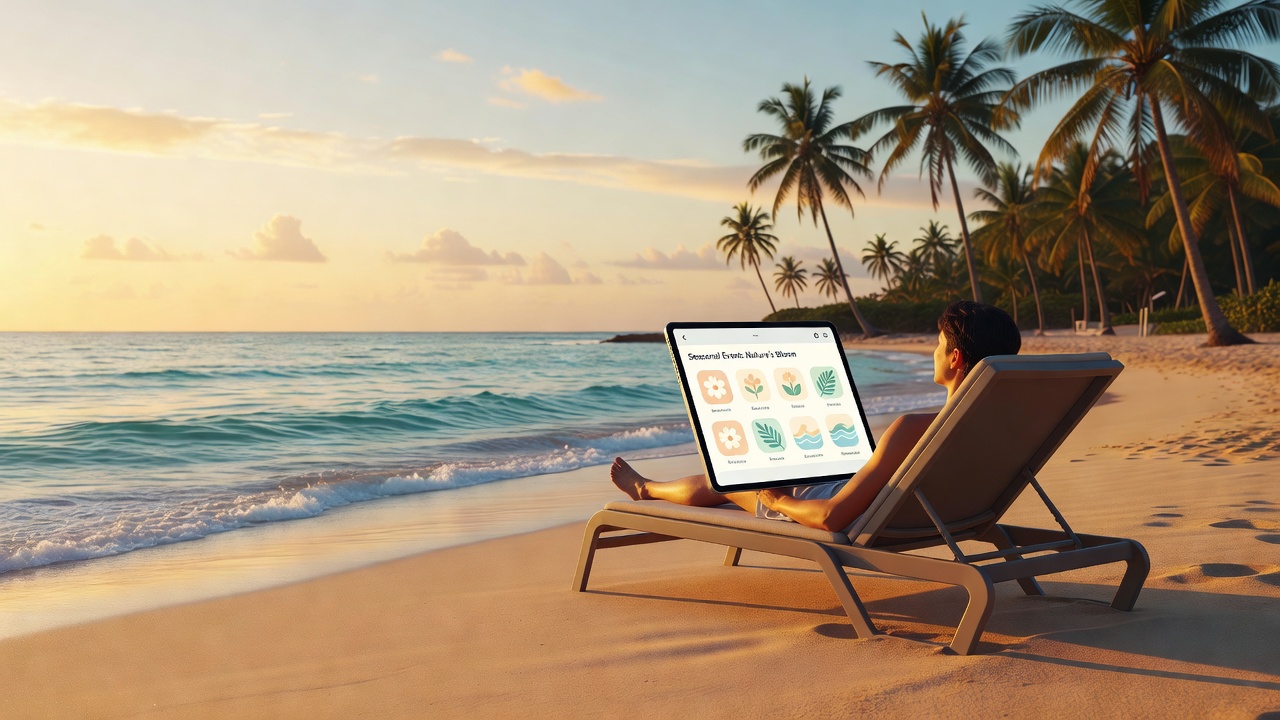
Seasonal events along a warm shoreline
Recurring

Seasonal Events

Seasonal events are the backbone of the live-service mobile gaming calendar. Tied to the real-world passage of time — spring, summer, autumn, and winter — these events transform the look and feel of the game world with themed visual overlays, limited cosmetics, and special in-game narrative arcs that only appear during that window of the year.

For developers, seasonal events serve as a powerful retention tool. Players who might otherwise drift away are pulled back by the promise of exclusive rewards that disappear when the season ends. The time-limited nature of seasonal content creates a sense of urgency, encouraging daily logins and active participation in themed challenges.

Seasonal events often introduce unique game mechanics that are unavailable at any other time — a winter event might add ice physics to an arena, while a summer event might add surfing mini-games or beach-themed obstacle courses. These temporary mechanics refresh the core gameplay loop without permanently changing the game's fundamental design.
Spring Summer Autumn Winter
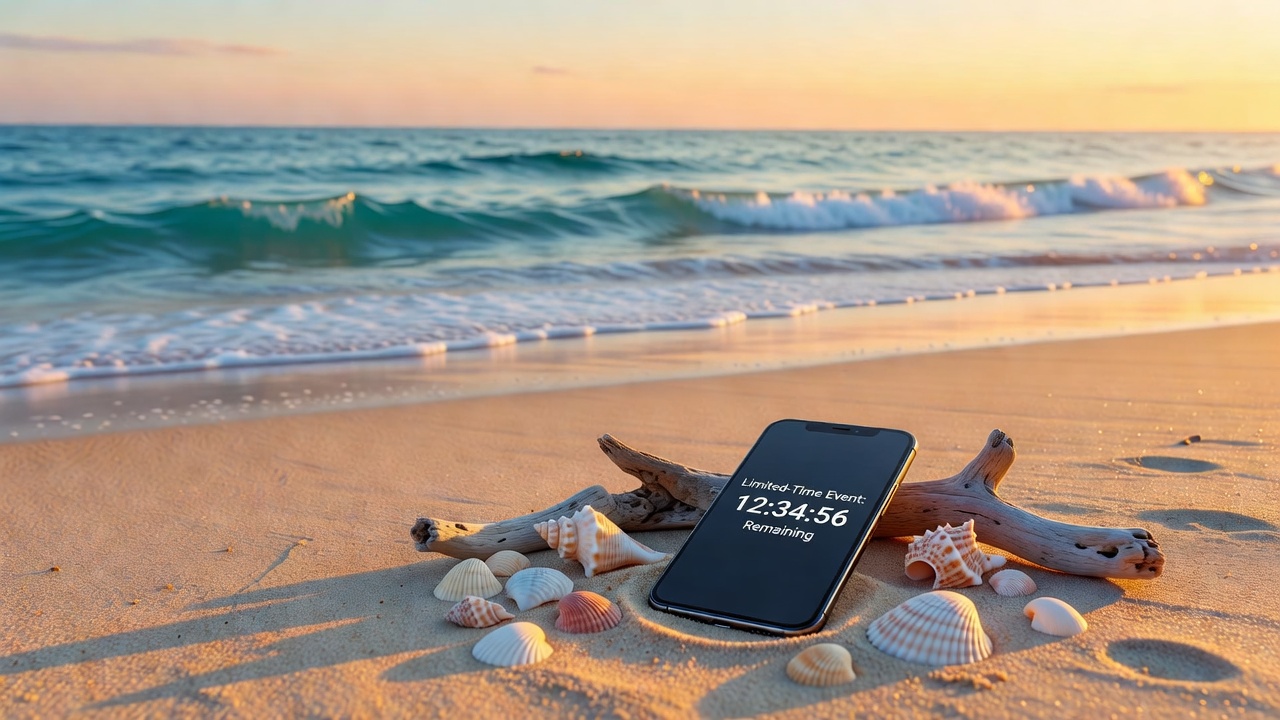
A countdown timer representing a limited-time event
Urgency-Driven

Limited-Time Events

Limited-time events (LTEs) are short-duration activations that appear without warning or with minimal advance notice, typically running for anywhere from 24 hours to two weeks. Their defining characteristic is the visible countdown timer — a ticking clock that reinforces the scarcity of the rewards on offer and motivates players to engage immediately rather than putting it off.

The psychological mechanism behind LTEs is the fear of missing out, often abbreviated as FOMO. Exclusive skins, titles, emotes, and in-game items that are tied to an LTE will never be available through any other means, making them valuable as status symbols within the player community long after the event ends.

From a game design standpoint, LTEs inject unpredictability into the content schedule. Even players who have exhausted the regular seasonal content will return for a surprise limited-time offering. Many developers use LTEs strategically to bridge the gap between major seasonal updates, maintaining engagement during otherwise quieter periods in the release calendar.

Key trait: Limited-time events are designed to be missed if players are not actively engaged — making the resulting exclusive items a mark of dedication within the community.

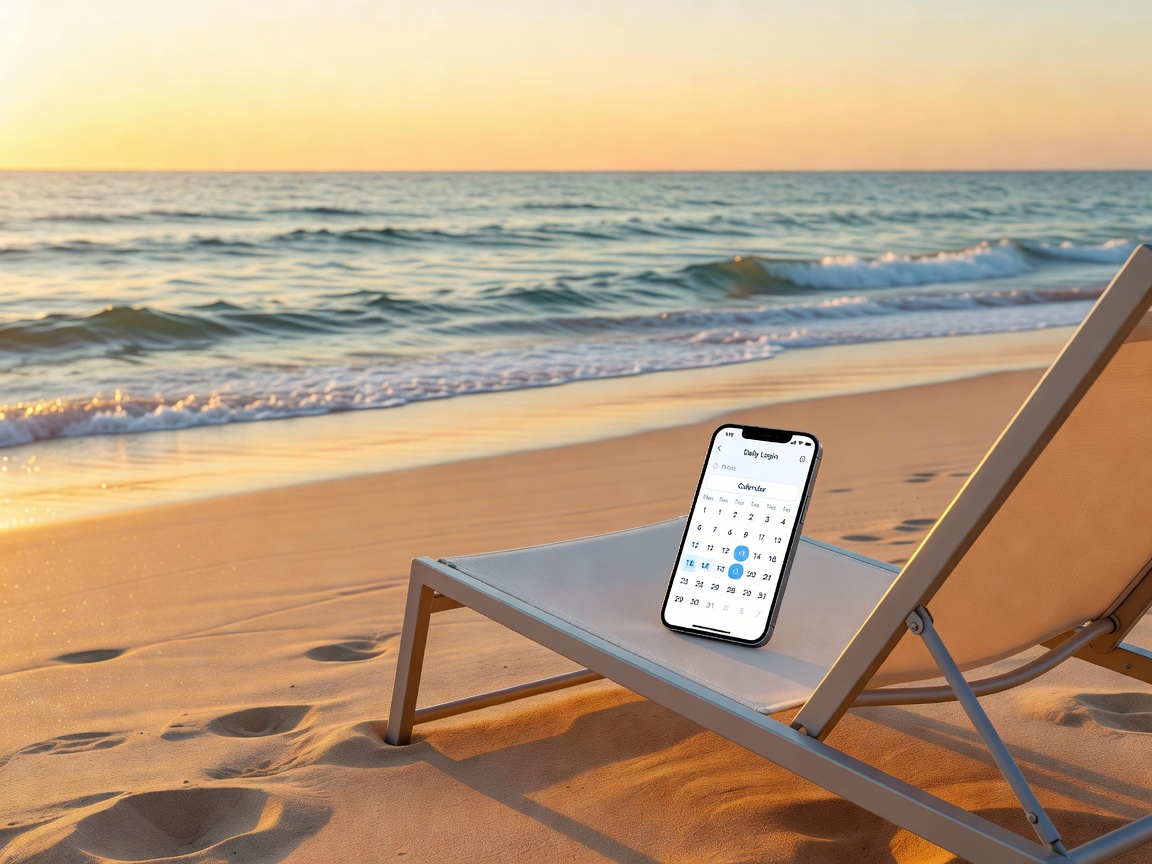
A calendar showing daily login event rewards
Daily Rewards

Login Events

Login events reward players simply for opening the game each day during the event window. Presented as a visual calendar or reward track, each successive day of login unlocks progressively more valuable items — with the most coveted reward typically reserved for the player who logs in every single day across the full event duration.

These events are one of the simplest yet most effective retention mechanics in mobile gaming. They require no skill, no time investment beyond the login itself, and no purchase — making them accessible to the entire player base regardless of spending habits or skill level. Even dormant players are re-activated by the promise of free rewards if they just check in.

Variations of login events include milestone rewards (collecting a specific total number of logins, not necessarily consecutive) and streak bonuses (extra rewards for maintaining an unbroken daily streak over an extended period). Some games offer catch-up mechanics that allow players to reclaim missed days through completing extra challenges.

Day 1

Common item

Day 7

Rare reward

Day 14

Legendary item

Challenge events shown on a gaming screen with objectives
Skill-Based

Challenge Events

Challenge events place skill and dedication at the centre of the reward structure. Rather than simply logging in, players must complete specific in-game objectives — achieving a certain win count, using a particular character, reaching a score threshold, or clearing a specially designed obstacle course — to earn their rewards.

These events come in multiple formats: daily challenges that refresh every 24 hours and reward consistent effort; weekly challenge sets with a larger prize pool for completion; and tiered challenge tracks where finishing a lower tier unlocks the next, increasingly difficult set of objectives.

Challenge events are particularly effective at teaching players new mechanics or encouraging them to experiment with characters and playstyles outside their comfort zone. A challenge that requires a win using a specific underused character can revitalise interest in that character and broaden the overall game meta in positive ways.

Daily challenges — small objectives that reset each day
Weekly sets — grouped tasks for a larger prize pool
Tiered tracks — escalating difficulty with milestone rewards
Collaboration events shown across multiple phones side by side
Cross-IP

Collaboration Events

Collaboration events — commonly called "collabs" by the gaming community — bring characters, aesthetics, and themes from outside the game's native universe into the game world for a limited time. These cross-IP partnerships between game studios and other entertainment properties such as animated series, films, music artists, or other games are among the most anticipated events in mobile gaming.

A well-executed collab introduces guest characters as playable entities or NPC questgivers, themed maps and environments, exclusive cosmetics styled after the partner IP, and in-game storylines that integrate the crossover lore with the main game's narrative. The best collabs feel cohesive rather than tacked on — the guest IP's presence enriches the world rather than clashing with it.

From a business perspective, collabs are mutually beneficial marketing events. The mobile game gains an influx of new players who follow the partner IP, while the partner gains exposure to the game's established player base. For existing players, collabs represent a rare opportunity to collect items tied to beloved fictional universes from entirely different media.

Community impact: Collaboration event cosmetics are consistently among the most traded and discussed items in mobile gaming communities, often retaining their prestige status for years after the event ends.

Holiday events on a tropical beach setting
Festive

Holiday Events

Holiday events celebrate real-world cultural occasions — such as new year celebrations, harvest festivals, midsummer holidays, or winter festivities — by transforming the game environment with themed decorations, special music, and curated reward sets that match the festive atmosphere of the occasion.

For global mobile games with players across many different countries and cultural backgrounds, holiday events are carefully calibrated to be inclusive. Many studios run parallel holiday events acknowledging different cultural calendars, ensuring that players across diverse regions each have a moment when the game celebrates something personally meaningful to them.

Holiday events typically feature the most generous free reward distributions of the year. To match the celebratory spirit of the occasion, developers often increase daily login bonuses, reduce task difficulty thresholds, and offer gift bundles that would normally require premium currency at no cost. This generosity strengthens community goodwill and loyalty during peak engagement periods.

New Year Midsummer Harvest Festival Winter Fest Lunar New Year
Community events player gathering illustration
Player-Driven

Community Events

Community events are designed around the collective participation of the entire player base rather than individual achievement. Instead of a single player completing a quest or reaching a personal score, community events set a global target — millions of matches played, a cumulative damage figure, or a shared crafting goal — that all players contribute to together.

The progress bar is the defining visual element of a community event. Displayed prominently in the game's main menu or event hub, it fills as players around the world contribute actions toward the shared goal. Milestone thresholds along the bar unlock rewards for the entire community simultaneously — creating genuine moments of collective celebration when a major milestone is cleared.

Community events foster a powerful sense of belonging and shared purpose that distinguishes live-service mobile games from single-player experiences. They generate coordinated discussion across social media, fan forums, and streaming platforms as players organise around the collective goal, compare contribution statistics, and celebrate together when the event's final tier is unlocked.

Community Progress Example 74%
Tier 1 Unlocked Tier 2 Unlocked Tier 3 — In Progress

Event Type Quick Reference

A summary of all seven in-game event types and their primary characteristics.

Event Type Duration Reward Style Recurrence
Seasonal 4–12 weeks Themed cosmetics, narrative chapters Annually
Limited-Time 24 hours – 2 weeks Exclusive items, rare cosmetics Irregular
Login 7–30 days Daily rewards, streak bonuses Monthly or seasonal
Challenge 1 day – 4 weeks Skill-gated, tiered rewards Weekly or seasonal
Collaboration 2–6 weeks Cross-IP cosmetics, guest characters Irregular
Holiday 1–3 weeks Generous free bundles, themed items Annually
Community 1–4 weeks Milestone unlocks, shared rewards Irregular or seasonal

Want to Know More?

Explore our guides on game updates, battle pass systems, and more to get the full picture of how live-service mobile games work.